St. Daniel Comboni - Communion with the Poor
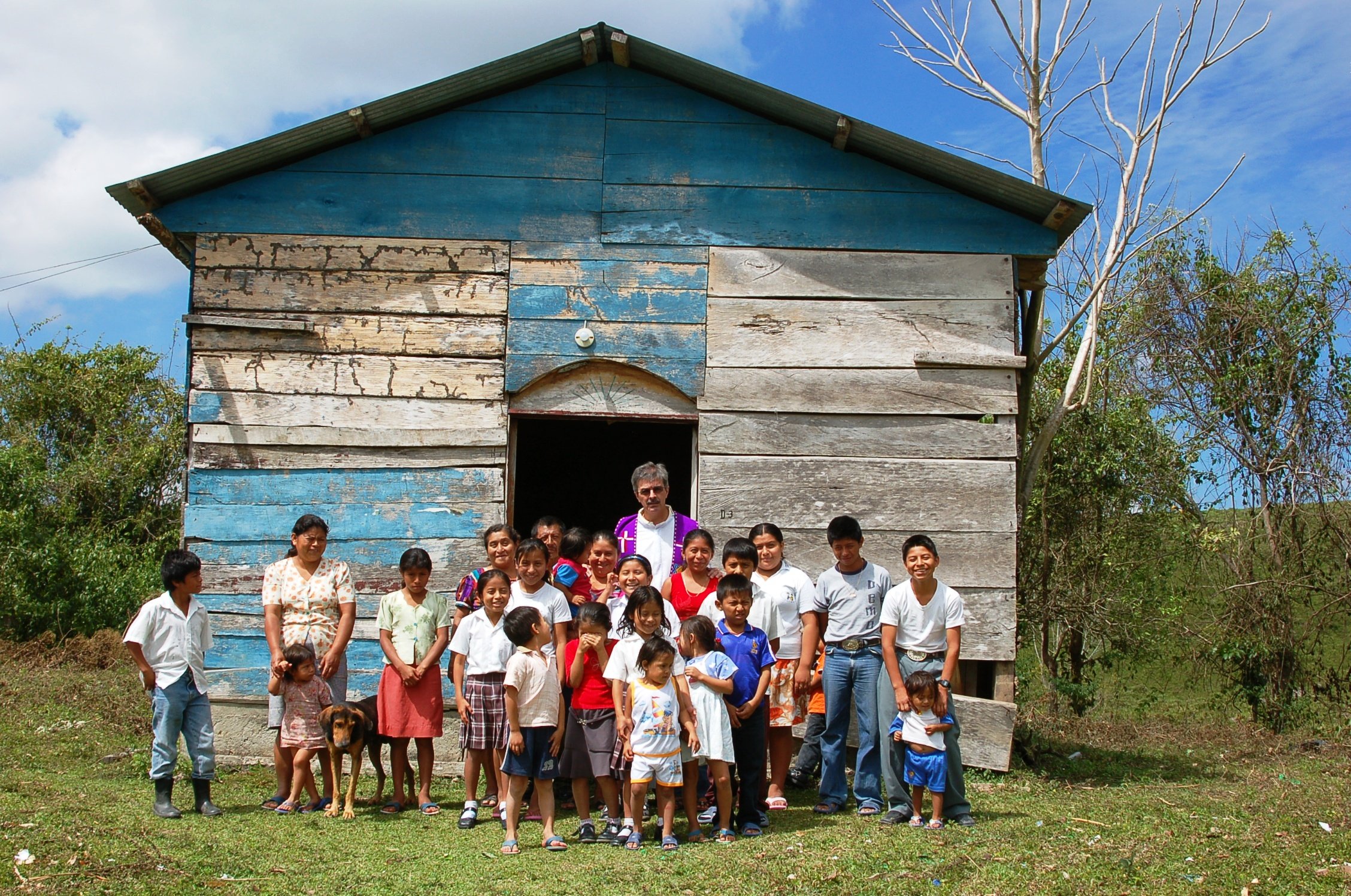
Christ, rich as he was, chose to make himself poor. He did not stay rich to help the poor, but became poor to become the "meeting place of God and humanity." Today's various forms of poverty call us to works of charity. The Gospel reminds us that the first form of giving is giving of self: "There is no greater love than this: to give one's life for one's friends" (Jn 15:13).
St. Comboni was clear on this. The peoples of Central Africa appeared to him as "the poorest and most abandoned." He envisioned them this way as a young man deciding to become a missionary in Central Africa, and saw them the same way years later when, in February 1858, he reached Holy Cross in Southern Sudan. Africa, abandoned and forgotten by everyone, became St. Comboni's passion.
St. Comboni's charism is a front line charism, dealing with those segments of humanity where liberation, enlightenment and regrouping in Christ has not yet been explicitly proclaimed or consciously accepted. Two years before his death he wrote, "We, humble workers of Africa... must imitate our confreres in China, Mongolia and India, in raising our voices to beg for help for our dear Africans, who still suffer under the weight of so many misfortunes... Famine, plague, hunger, thirst, slavery, horrible diseases, extremely painful scourges."
St. Comboni's message is clear: my mission is among the poor. To be far from the poor means to be far from God. The men and women of black Africa were the dispossessed of his time. The Spirit of Jesus urged him, telling him it was necessary to proclaim the Kingdom of God to the dispossessed, just as the Lord had done with the dispossessed of his own time.
True discipleship demands not merely charity toward the poor, but solidarity with them.