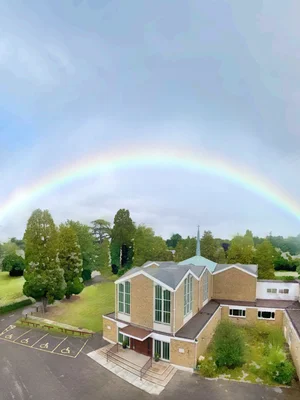
Saved by Beauty
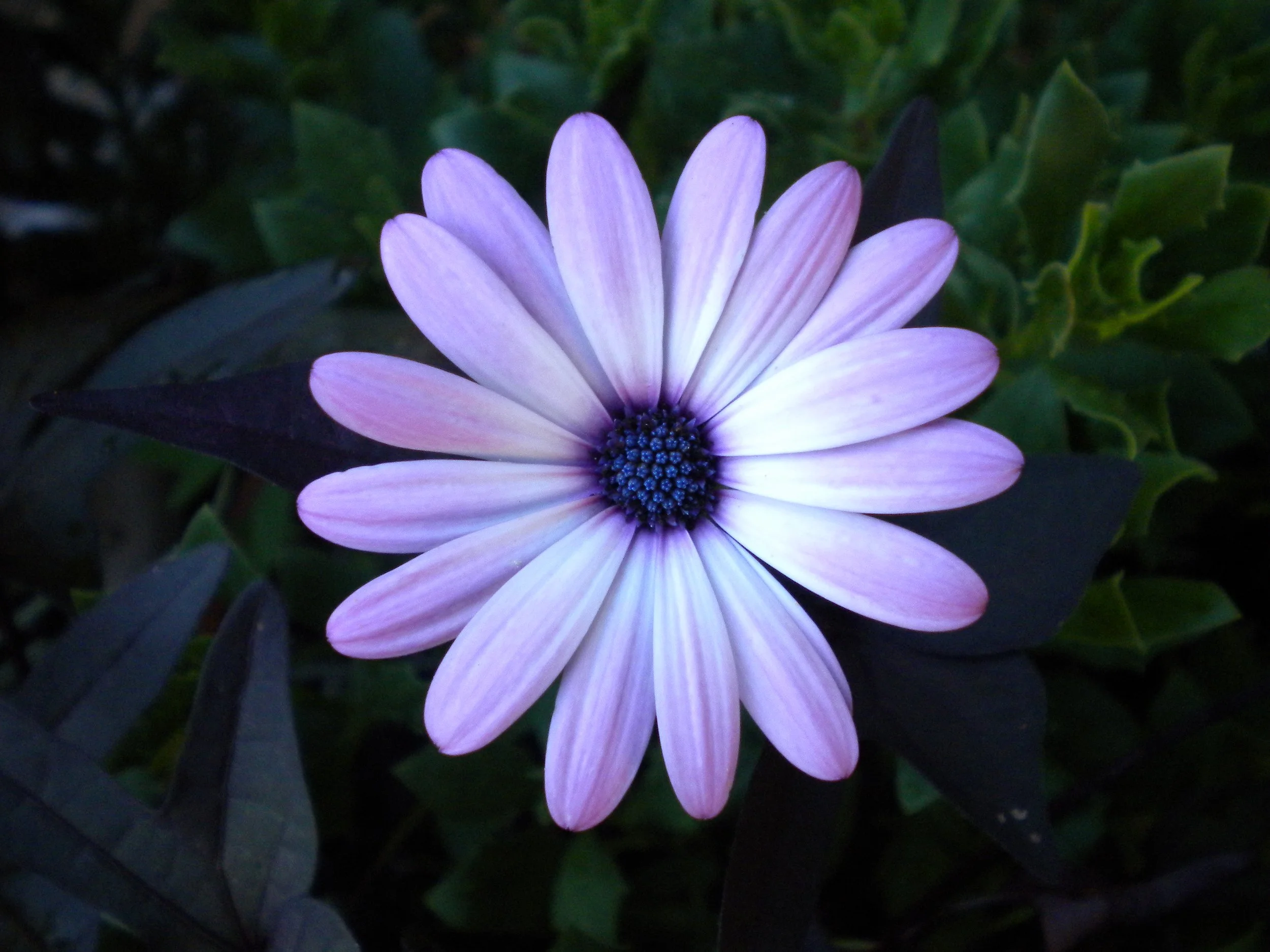
Dostoevsky wrote that "The world will be saved by beauty."
Perhaps what he understood is that beauty arrests us. It stops our instrumental thinking, our endless calculating of advantage and survival. When we encounter true beauty—whether in art, nature, or another person's face—we experience something that exists purely for its own sake, not for what it can do for us. And in that moment, we're lifted out of the closed loop of self-interest that drives so much human suffering.
Beauty also points toward wholeness. The beautiful thing integrates what seems fragmented; it reveals harmony where we saw only chaos. In this sense, beauty isn't decoration or escape—it's a kind of truthfulness, showing us that coherence and meaning are possible even in a broken world.
Maybe Dostoevsky believed that if enough people could be stopped in their tracks by beauty, could be reminded of what matters beyond utility and power, we might yet choose a different path. Not through moral hectoring or philosophical argument, but through an experience so immediate it bypasses our defenses.
We could say “The world won't be saved by those who've forgotten how to be moved.”