Collaboration: Comboni-Style
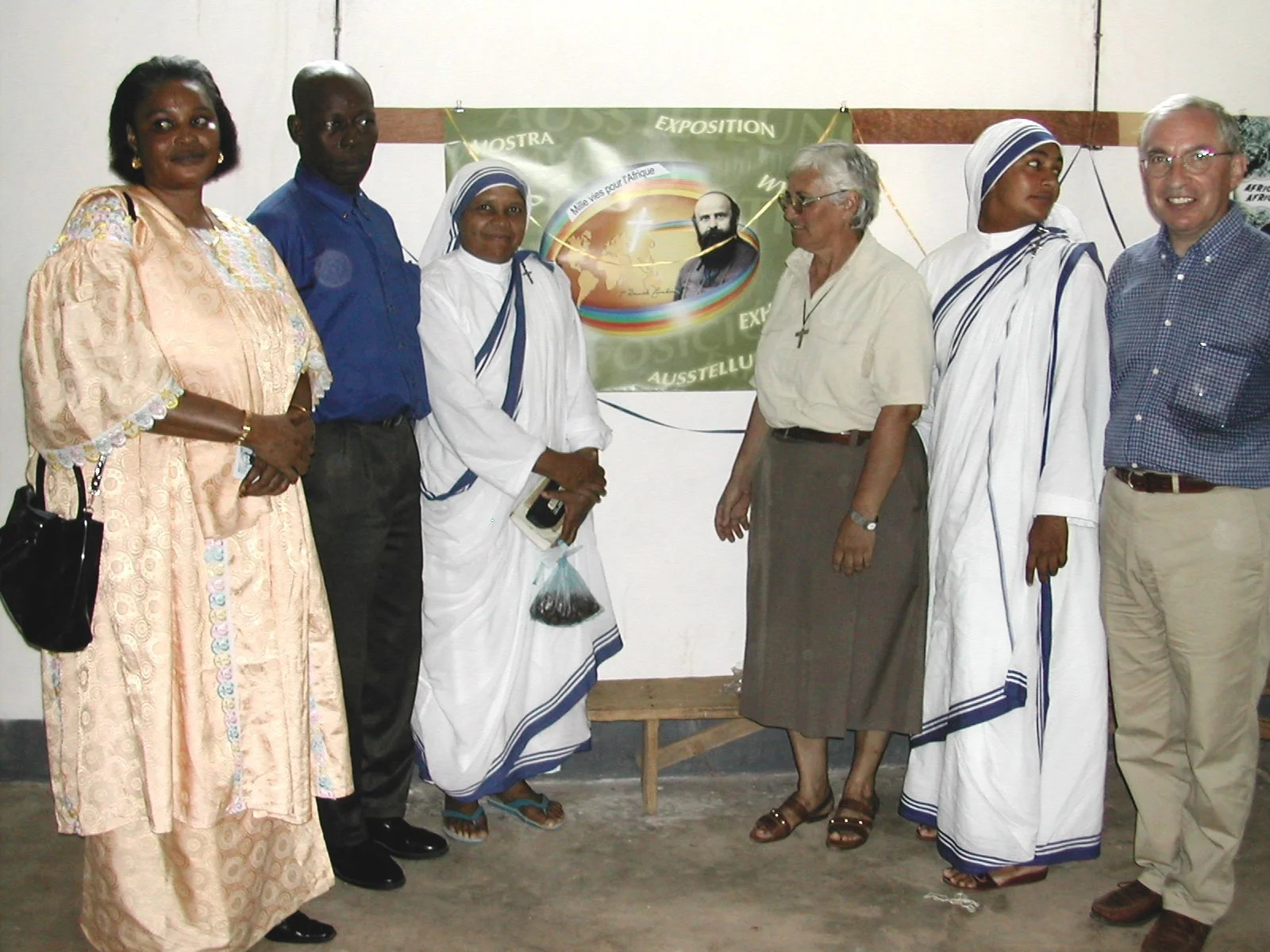
For St. Comboni, Mission was catholic in the full sense of the word ~ for everyone ~ he was deeply convinced that the subject of mission is the entire Church in all it's aspects; "The work must be catholic, not Spanish, French, German or Italian. All Catholics must help the poor... and with our plan we hope to open the way into the Catholic faith to all the tribes in the entire territory inhabited by Africans. To accomplish this, I think, all activities must be united."
At the same time he had a deep faith in the ability of "all Catholics the world over" to take an interest in and to pledge themselves to mission and to find it within their hearts to give "support and help, taken up by the spirit charity, that embraces the vastness of the universe, and that the divine Savior came to bring on earth."
St. Comboni believed and invested in lay people, He knew they could witness to faith in unique ways that priests and religious sisters couldn't. Training local people was central to his approach—he wanted to "Save Africa through Africa." He explained: "All my efforts aim at preparing indigenous people from central tribes to become apostles of faith and civilization in their own country. I trained African teachers, catechists, shoemakers, masons, carpenters, and more. People prepared this way are essential to the mission's very existence."
St. Comboni was ahead of his time, living what Vatican II would later teach: lay people must bring the Church's life to places where priests and religious cannot reach alone. Their presence matters most "where the Church is not free or where Catholics are few and scattered."
The greatest missions aren't built by outsiders bringing help, but by insiders empowered to transform their own communities.